Learning Hub
Engineered Quartz: Why Interior Designers Continue to Specify This High-Performance Surface
The Modern Standard in Beautiful, Durable Surface Design
When selecting materials for kitchens, bathrooms, commercial interiors, and multi-family developments, interior designers are constantly balancing aesthetics, durability, maintenance requirements, and budget. Few materials successfully deliver on all four criteria quite like engineered quartz.
Over the past two decades, engineered quartz has evolved from a practical countertop option into one of the most specified surfacing materials in residential and commercial design. With stunning marble-inspired patterns, consistent coloration, exceptional durability, and minimal maintenance requirements, engineered quartz offers designers the freedom to create beautiful spaces without compromising performance.
Whether you’re designing a luxury residence, hospitality project, office environment, or large-scale multifamily development, understanding the benefits and applications of engineered quartz can help you confidently specify a surface that delivers long-term value.
What Is Engineered Quartz?
Engineered quartz is a manufactured surface material composed of approximately 90–95% natural quartz crystals combined with polymer resins and pigments. The manufacturing process creates an exceptionally dense, non-porous slab that offers superior performance characteristics while maintaining the beauty of natural stone.
Quartz itself is one of the hardest minerals found in nature. By combining natural quartz with advanced engineering techniques, manufacturers create slabs that are highly resistant to scratches, stains, moisture, and everyday wear.
Unlike natural stone, where every slab varies significantly in color and movement, engineered quartz provides a more controlled and predictable appearance. This consistency has made it particularly attractive for projects requiring multiple slabs, matching surfaces, or a uniform aesthetic throughout a space.
For designers managing large residential developments, hospitality projects, healthcare facilities, or commercial interiors, this predictability can simplify both the specification process and final installation.
Why Designers Love Engineered Quartz
Consistent Color and Pattern
One of the biggest advantages of engineered quartz is consistency.
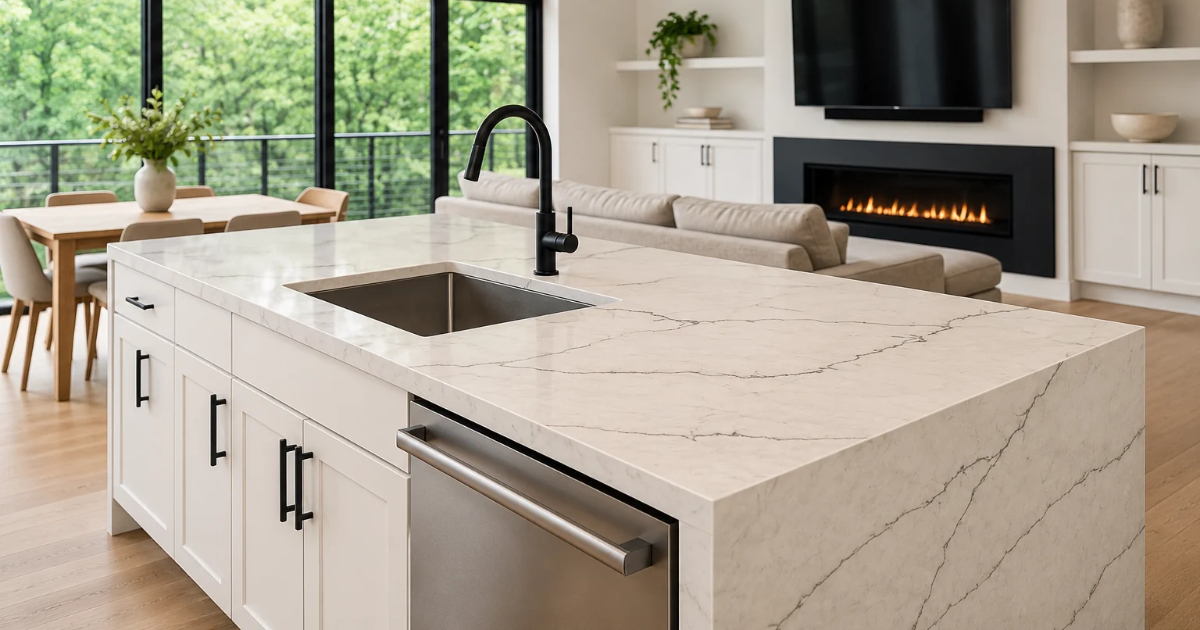
Natural stone offers beautiful variation, but that variation can sometimes create challenges when matching islands, waterfall edges, backsplashes, or multiple installations throughout a project. Engineered quartz provides a uniform appearance across slabs, ensuring the finished design aligns closely with the original vision.
This reliability allows designers to create cohesive spaces with confidence while reducing surprises during fabrication and installation.
Exceptional Durability
Modern interiors must withstand everyday life. From busy family kitchens to heavily trafficked commercial environments, surfaces are expected to perform without constant maintenance.
Engineered quartz is highly resistant to:
- Scratches from daily use
- Staining from common household products
- Moisture penetration
- Bacterial growth
- Surface wear over time
Because of its dense composition, quartz maintains its appearance even in demanding environments where other materials may require ongoing maintenance or repair.
Low-Maintenance Living
Today’s homeowners increasingly prioritize convenience. Many clients want luxury finishes without the maintenance obligations associated with certain natural materials.
Engineered quartz offers exactly that.
Unlike natural stone surfaces that may require periodic sealing, quartz remains non-porous throughout its lifetime. There is no sealing schedule to manage, no special treatments to apply, and no concern about liquids penetrating the surface.
For designers serving busy families, professionals, or commercial clients, this ease of maintenance can become a major selling point.
Ideal Applications for Engineered Quartz
Kitchen Countertops
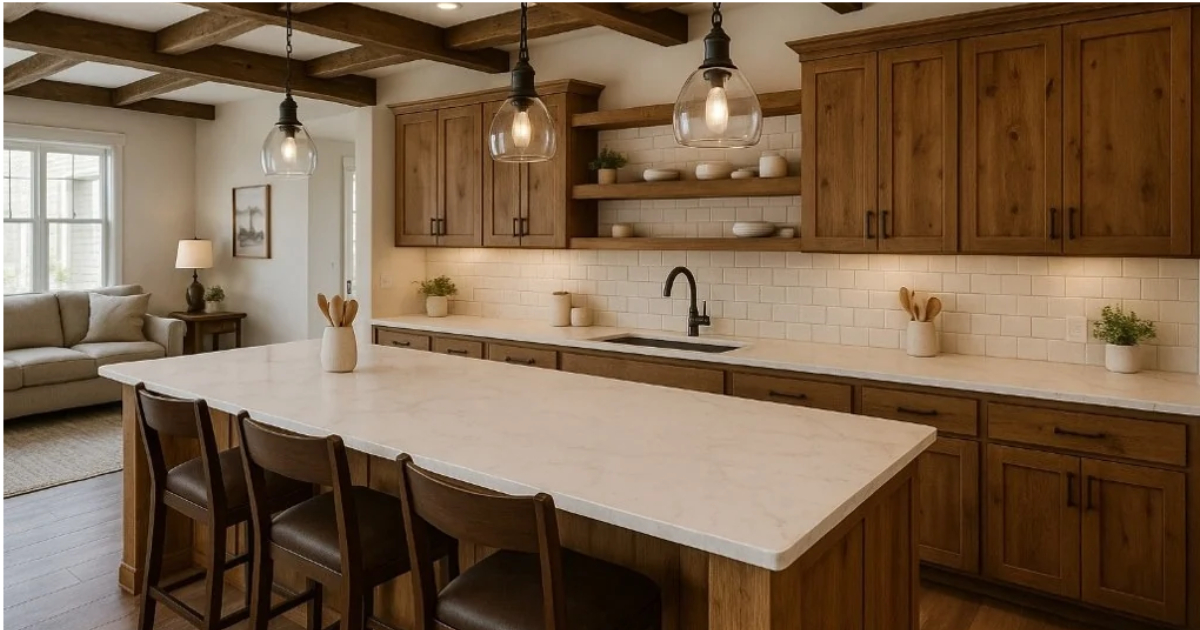
The kitchen remains the most popular application for engineered quartz.
Its stain resistance, durability, and easy maintenance make it perfectly suited for food preparation areas, islands, perimeter countertops, and backsplashes.
Designers appreciate that quartz allows clients to enjoy the appearance of luxury marble without the maintenance concerns often associated with natural marble surfaces.
Whether creating a contemporary kitchen with dramatic veining or a transitional design featuring subtle movement, quartz offers countless possibilities.
Bathroom Vanities and Surrounds
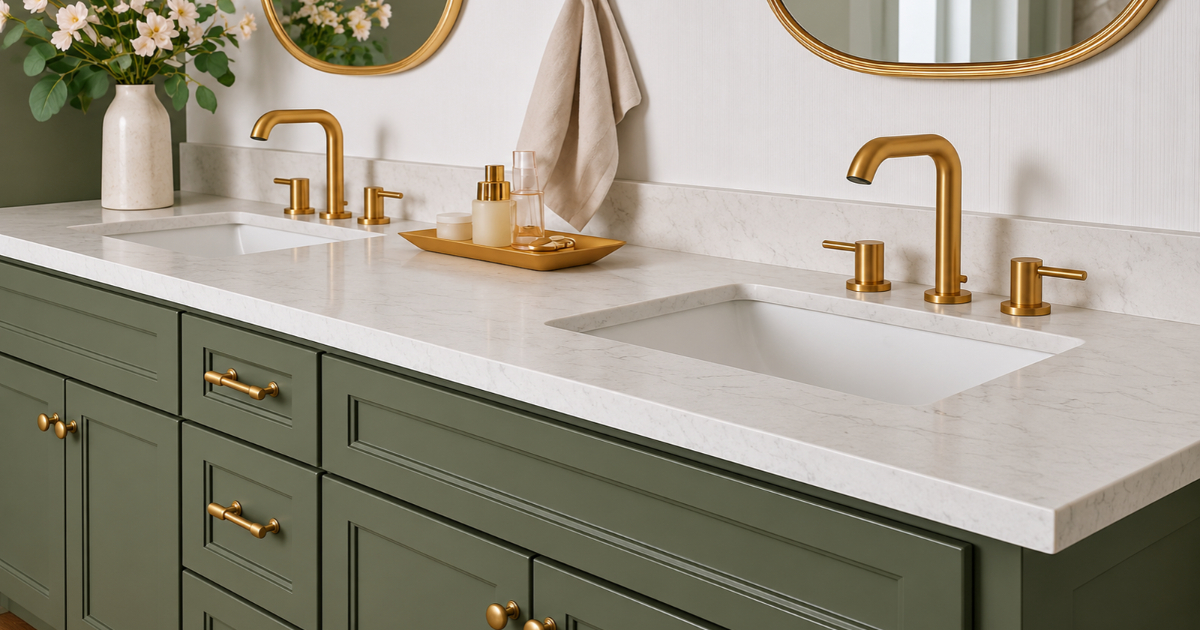
Bathrooms present unique design challenges due to constant moisture exposure and frequent cleaning.
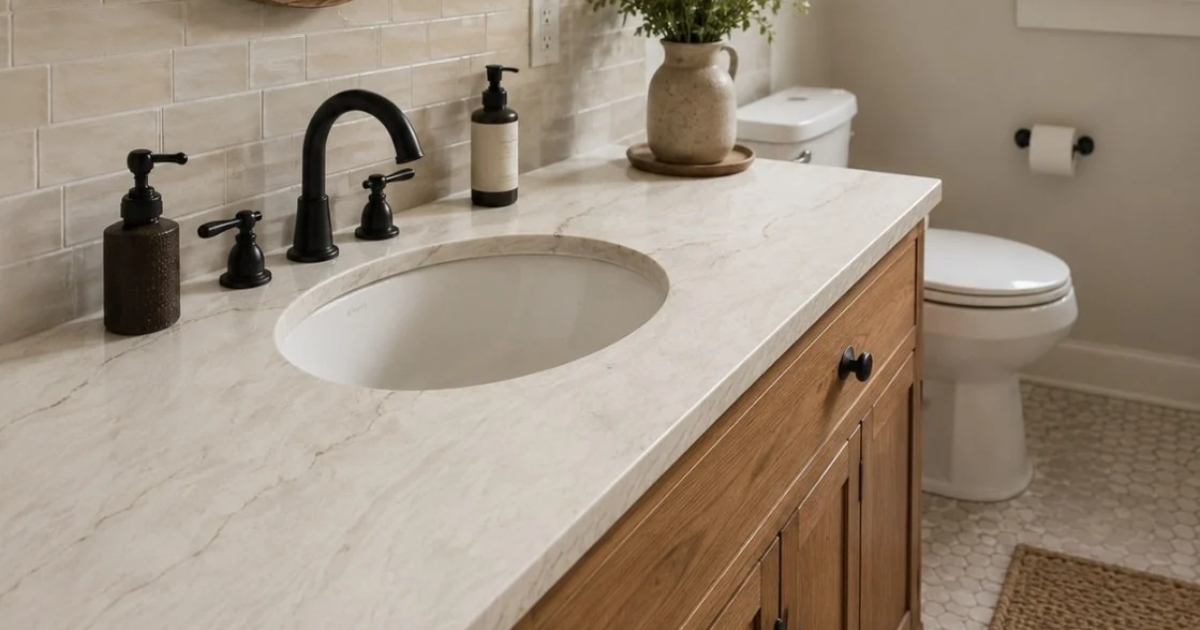
Engineered quartz excels in these environments thanks to its non-porous nature. Vanity tops maintain their appearance over time, while shower walls and tub surrounds benefit from quartz’s resistance to moisture and staining.
For luxury master baths, quartz creates a sophisticated aesthetic while minimizing long-term maintenance requirements for homeowners.
Commercial Interiors
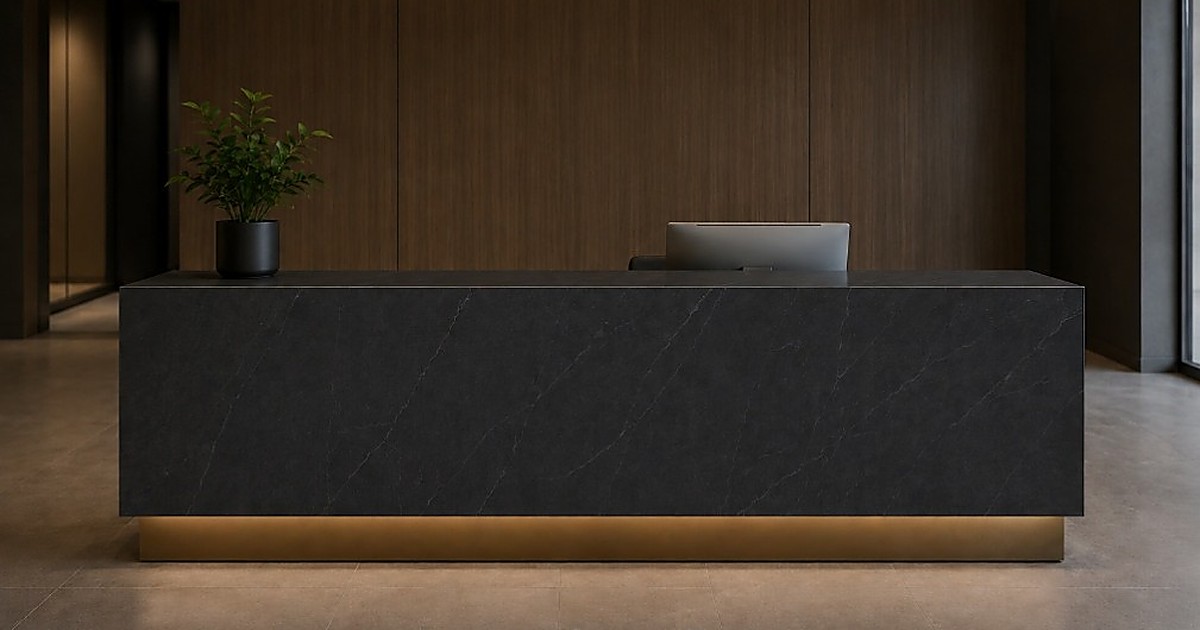
Commercial spaces require materials capable of withstanding heavy use while maintaining a professional appearance.
Engineered quartz performs exceptionally well in:
- Reception desks
- Office break rooms
- Retail environments
- Hotel vanities
- Bar tops
- Healthcare facilities
- Educational institutions
Its durability and consistency make it a practical choice for projects where longevity and appearance are equally important.
Design Trends Driving Quartz Popularity
The Calacatta Look
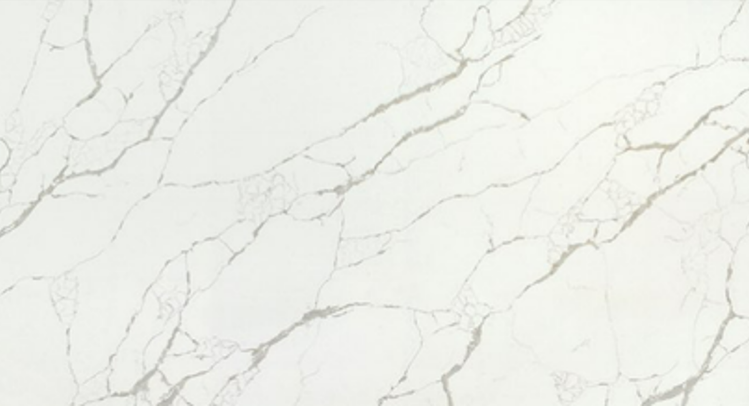
One of the most requested aesthetics in modern design is the timeless beauty of Calacatta marble.
Engineered quartz manufacturers have responded by creating stunning marble-inspired surfaces featuring crisp white backgrounds paired with bold grey, gold, and warm taupe veining.
These designs deliver the elegance clients desire while offering significantly easier maintenance than natural marble.
For designers working on luxury kitchens and bathrooms, Calacatta-inspired quartz continues to be one of the strongest-performing categories.
Contemporary Concrete Aesthetics
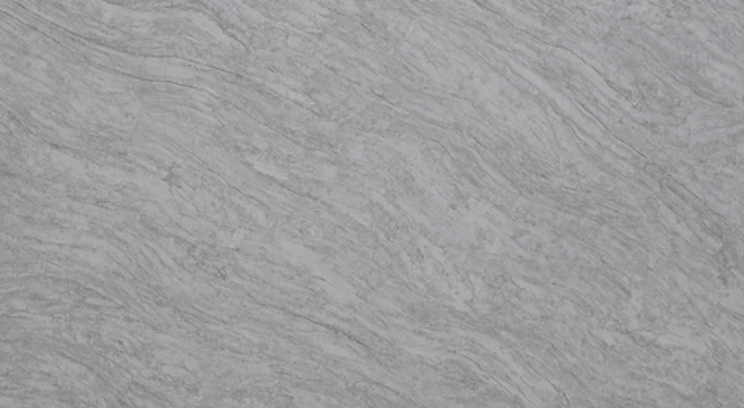
Industrial-inspired interiors remain popular in both residential and commercial design.
Quartz surfaces that mimic concrete provide a sophisticated, modern appearance while eliminating concerns about cracking, sealing, or surface deterioration often associated with actual concrete installations.
Available in a range of grey tones and finishes, these surfaces work beautifully in contemporary kitchens, lofts, offices, and hospitality environments.
Bold and Dramatic Surfaces
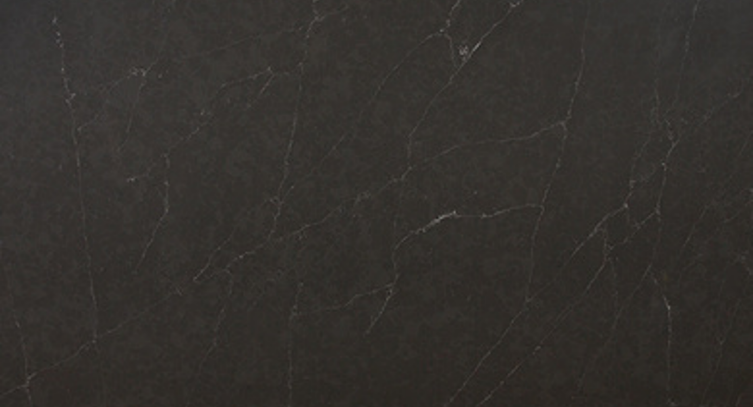
While white kitchens remain popular, many designers are incorporating darker, more dramatic surfaces into their projects.
Deep charcoal, rich black, and jewel-toned quartz options create striking focal points and add depth to interior spaces.
These bold surfaces pair particularly well with warm wood cabinetry, metallic accents, and contemporary lighting fixtures.
Endless Design Possibilities
The versatility of engineered quartz is one of its greatest strengths.
Today’s collections offer:
- Pure whites
- Warm creams
- Soft greys
- Rich earth tones
- Deep blacks
- Marble-inspired patterns
- Granite-inspired movement
- Concrete-look finishes
- Matte surfaces
- Polished finishes
This broad selection enables designers to achieve virtually any aesthetic while maintaining consistent performance characteristics.
Whether the goal is minimalist sophistication, traditional elegance, industrial chic, or contemporary luxury, there is likely a quartz design that supports the overall vision.
Care and Maintenance: A Major Selling Point
One of the reasons homeowners continue to embrace engineered quartz is its remarkably simple maintenance routine.
Daily Cleaning
Most quartz surfaces require only warm water, a soft cloth, and a mild dish soap for routine cleaning.
Unlike some natural materials, specialized stone cleaners are generally unnecessary for everyday maintenance.
No Sealing Required
Because quartz is non-porous, sealing is never required.
This eliminates ongoing maintenance expenses and simplifies ownership for clients.
For designers, this can be an important differentiator when helping homeowners compare various countertop materials.
Avoid Harsh Chemicals
Although quartz is highly durable, harsh chemicals should be avoided.
Products such as bleach, paint removers, oven cleaners, and highly acidic or alkaline solutions may damage the resin components within the material over time.
Educating clients on proper care helps ensure long-term satisfaction.
Protect Against Extreme Heat
Quartz offers excellent heat resistance, but designers should still recommend the use of trivets and hot pads.
Direct, prolonged exposure to high temperatures can potentially damage the resin structure, leading to discoloration or cracking.
A simple recommendation to use protective barriers can help preserve the surface for years to come.
Why Engineered Quartz Continues to Lead the Market
The popularity of engineered quartz is no accident.
It successfully addresses many of the challenges that designers and homeowners face when selecting surfacing materials:
- Beautiful, predictable aesthetics
- Exceptional durability
- Low maintenance requirements
- Stain and moisture resistance
- No sealing necessary
- Wide range of styles and colors
- Consistent slab appearance
- Strong performance in residential and commercial settings
As client expectations continue to evolve, materials that combine luxury appearance with practical functionality will remain in high demand.
Engineered quartz delivers exactly that combination.
Final Thoughts
For interior designers seeking a versatile, high-performance surface material, engineered quartz remains one of the strongest options available today. Its ability to replicate the beauty of natural stone while offering enhanced durability and simplified maintenance has made it a staple in modern design.
From sophisticated Calacatta-inspired kitchens to contemporary commercial installations, engineered quartz provides the flexibility, reliability, and visual appeal that today’s projects demand.
As design trends continue to evolve, one thing remains constant: clients want surfaces that are beautiful, durable, and easy to live with. Engineered quartz continues to set the standard by delivering all three.