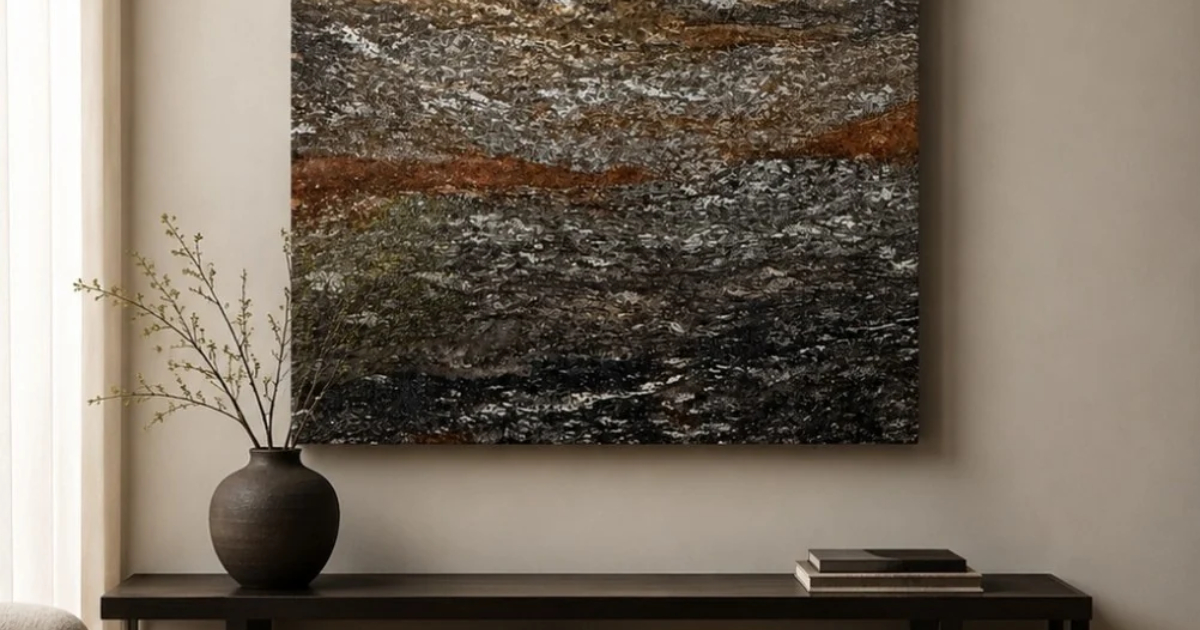
Learning Hub
Schist Stone: The Designer’s Guide to Nature’s Most Textured Statement Surface

Discovering Schist: A Natural Stone Unlike Any Other
In the world of luxury interior design, texture is becoming just as important as color and pattern. While marble, quartzite, and granite continue to dominate countertops and feature surfaces, designers are increasingly seeking materials that offer depth, movement, and a stronger connection to nature. Schist is one such material.
Known for its dramatic layering, shimmering mineral content, and rugged elegance, schist is a natural stone that brings visual energy to any space. Unlike smoother stones that rely primarily on veining or color variation, schist captivates through its dimensional texture and natural foliation. The result is a surface that feels alive, organic, and distinctly one-of-a-kind.
For interior designers looking to create memorable spaces that stand apart from the ordinary, schist offers a compelling combination of beauty, character, and authenticity.
What Is Schist?
Schist is a medium- to coarse-grained metamorphic rock formed through intense geological processes. It begins as fine-grained rocks such as shale, mudstone, or basalt. Over millions of years, these materials are subjected to extreme heat and pressure deep within the earth.
As these forces reshape the stone, minerals within the rock align into layers, creating the distinctive foliated structure that defines schist. This layered appearance is responsible for the stone’s remarkable texture and movement.
One of the most recognizable characteristics of schist is its natural shimmer. This subtle brilliance comes from the abundance of platy minerals that reflect light across the stone’s surface. Depending on the mineral composition, schist can range from softly reflective to dramatically sparkling.
The result is a natural stone that delivers depth and visual complexity that flat, uniform surfaces simply cannot replicate.
The Mineral Composition Behind Schist’s Unique Appearance
Schist derives its character from a rich blend of minerals that contribute both beauty and performance.
Common minerals found in schist include:
- Mica
- Chlorite
- Talc
- Quartz
- Feldspar
- Garnet
- Hornblende
Mica is often the dominant mineral and is responsible for the stone’s signature shimmer. Quartz contributes durability, while minerals such as garnet and hornblende can create striking color variations and visual accents throughout the slab.
This mineral diversity gives every piece of schist a unique appearance. No two slabs are exactly alike, making the material especially appealing for custom residential and commercial projects.
Where Schist Is Found
Schist is quarried in several regions around the world, with notable sources including:
- Brazil
- India
- Norway
- Scotland
Each geographic source produces stone with distinct characteristics. Brazilian schists often display dramatic movement and rich coloration, while Scandinavian varieties may feature cooler tones and more subtle layering.
Because mineral composition varies by region, designers have access to a wide spectrum of colors, textures, and visual effects. This diversity makes schist adaptable to both contemporary and traditional design styles.
Why Interior Designers Are Choosing Schist
Today’s luxury interiors increasingly emphasize authenticity and natural materials. Designers are moving beyond perfectly uniform surfaces and embracing stones that showcase nature’s artistry.
Schist aligns perfectly with this trend.
Its layered texture creates visual movement even when used in monochromatic color palettes. Light interacts with the stone differently throughout the day, highlighting its mineral composition and creating changing patterns of reflection and shadow.
For designers seeking a statement material that feels organic yet sophisticated, schist offers several advantages:
- Exceptional texture and depth
- Natural mineral shimmer
- Unique slab-to-slab variation
- Strong visual impact
- Timeless appeal
- Compatibility with modern, rustic, industrial, and transitional interiors
Schist is not merely a surface material—it becomes an architectural feature.
Best Applications for Schist in Interior Design
Feature Walls
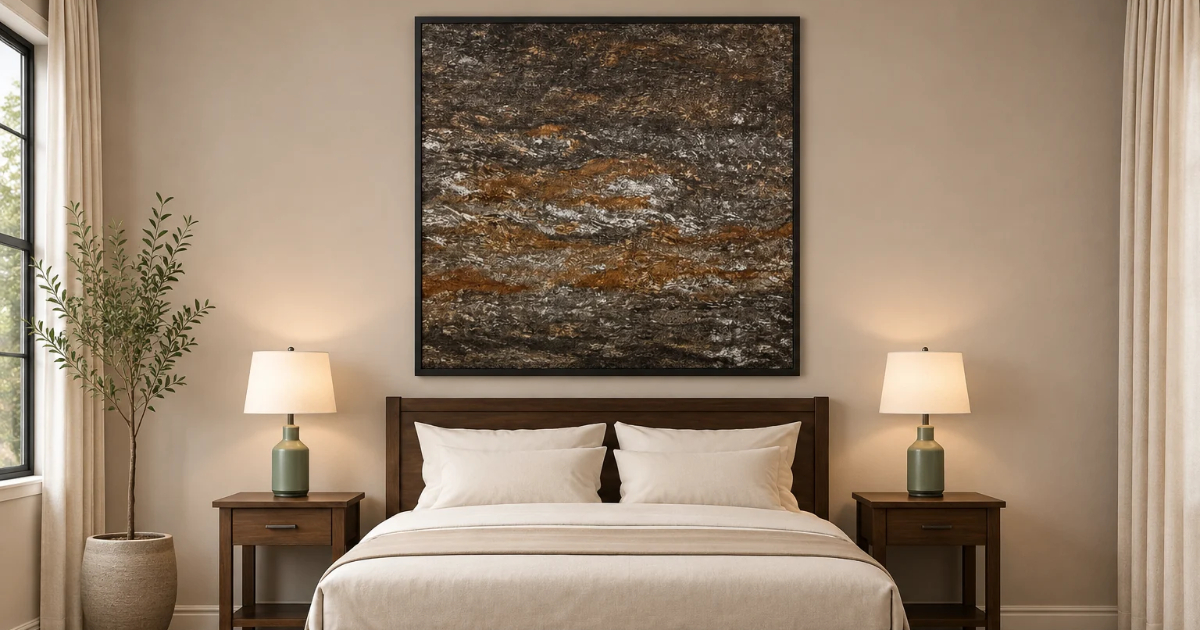
Perhaps the most dramatic use of schist is as a feature wall.
The stone’s layered structure creates an almost sculptural effect, transforming ordinary walls into focal points. Whether installed in residential living rooms, hotel lobbies, luxury retail environments, or corporate spaces, schist immediately captures attention.
The natural texture adds depth and dimension while introducing an organic element that softens contemporary interiors.
Feature walls clad in schist pair beautifully with:
- Warm wood finishes
- Black metal accents
- Contemporary lighting
- Minimalist furnishings
- Large-format porcelain flooring
Because the stone naturally reflects light, designers can further enhance its visual impact through strategic lighting design.
Fireplace Surrounds
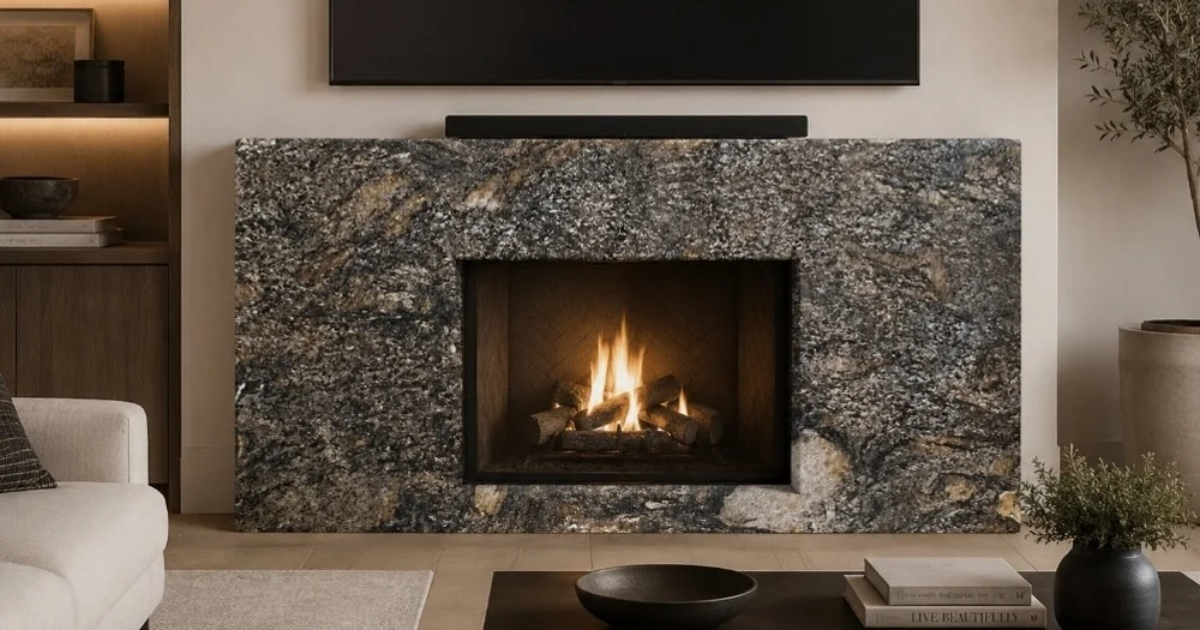
Few materials create a more dramatic fireplace surround than schist.
Its rugged layering complements the natural element of fire, while its sophisticated mineral shimmer elevates the overall design. The result is a focal point that feels both luxurious and grounded in nature.
Schist works exceptionally well in:
- Modern mountain homes
- Contemporary living rooms
- Luxury vacation properties
- Urban lofts
- Transitional interiors
Its heat-resistant mineral composition makes it particularly suitable for fireplace applications, allowing designers to combine performance with aesthetic appeal.
Countertops and Vanity Tops
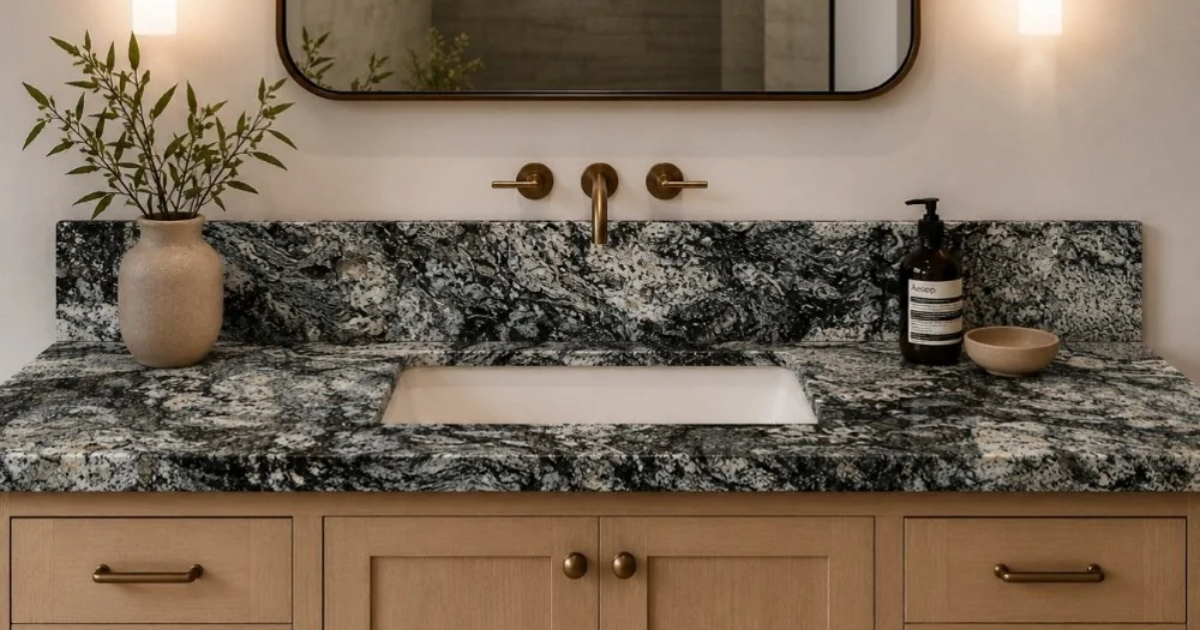
While schist is most commonly used vertically, it can also be incorporated into select horizontal applications.
With proper sealing and maintenance, schist can be used for:
- Bathroom vanity tops
- Powder room counters
- Wet bars
- Decorative countertop accents
The stone’s unique texture creates an unforgettable visual statement. Designers should evaluate specific applications carefully and work with experienced fabricators to ensure proper installation and maintenance recommendations.
For many projects, schist serves best as a feature material rather than the primary countertop surface, allowing its beauty to shine without overexposure.
Exploring Schist’s Color Palette
One of schist’s greatest strengths is its broad range of natural colors.
Silver and Grey Schist
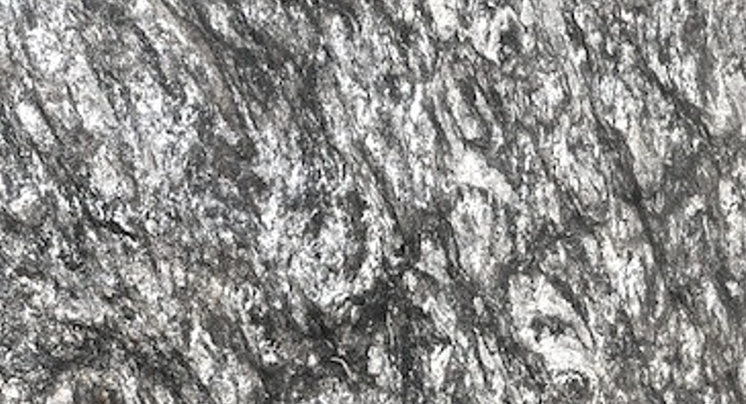
Silver and grey varieties offer a sophisticated, contemporary aesthetic.
Characterized by cool tones and metallic shimmer, these stones pair beautifully with modern cabinetry, black fixtures, and minimalist interiors. Their reflective qualities help create a bright yet understated luxury.
Green and Blue Schist
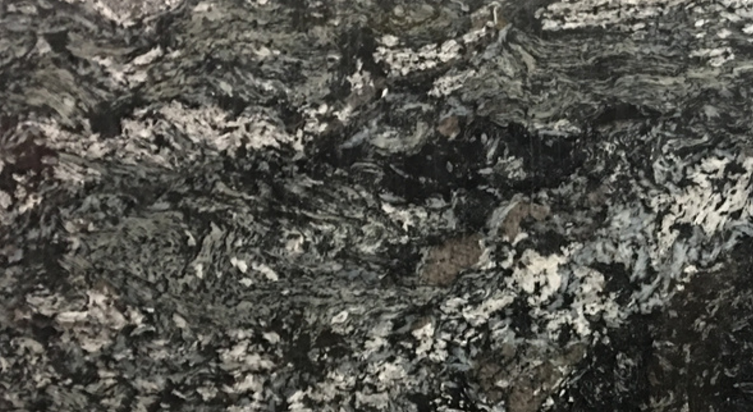
Green and blue schists derive their coloration from minerals such as chlorite and hornblende.
These rich, earthy tones create dramatic focal points and work exceptionally well in biophilic design environments where natural materials are emphasized.
The combination of texture and color creates a surface that feels both calming and visually dynamic.
Russet and Gold Schist
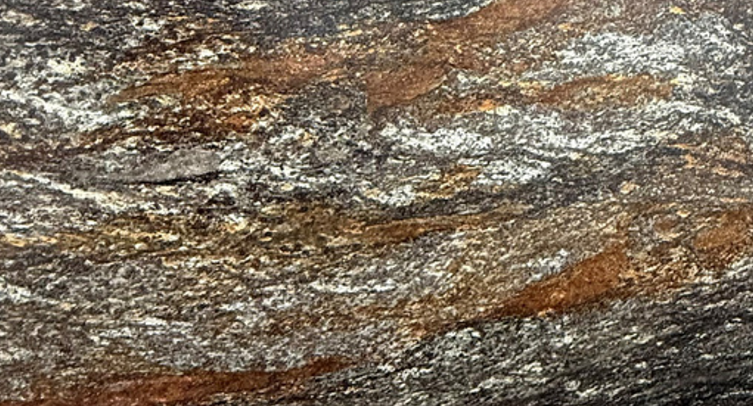
Warm-toned schists feature amber, gold, copper, and russet hues enhanced by shimmering mica minerals.
These varieties complement:
- Walnut cabinetry
- Bronze hardware
- Warm lighting
- Organic design palettes
- Rustic luxury interiors
Their warmth creates inviting spaces while maintaining the sophistication expected in high-end design.
Schist and Lighting: A Powerful Design Combination
One of the most compelling qualities of schist is the way it interacts with light.
Unlike polished stones that primarily reflect light from the surface, schist’s textured layers create subtle variations in brightness and shadow. This dynamic quality gives the material a sense of movement throughout the day.
Interior designers can maximize this effect through:
- Wall washing fixtures
- Directional accent lighting
- Recessed ceiling lighting
- Integrated LED systems
- Natural daylight exposure
Strategic lighting transforms schist from a beautiful material into a truly immersive design element.
Caring for Schist
Like many natural stones, schist requires proper maintenance to preserve its beauty.
Daily Cleaning
Routine cleaning should be performed using a soft cloth, warm water, and a pH-neutral stone cleaner.
Because schist has a naturally textured surface, abrasive scrubbers should be avoided to prevent unnecessary wear.
Avoid Harsh Chemicals
Acidic cleaners, vinegar, bleach, and ammonia-based products can damage the stone’s minerals and weaken surface layers over time.
Professional-grade stone cleaners are always recommended.
Regular Sealing
Due to its layered structure, schist is naturally porous.
Applying a penetrating impregnating sealer every six to twelve months helps protect the stone from moisture, staining, and water infiltration.
Prompt Spill Cleanup
Liquids should be blotted immediately rather than wiped across the surface.
This is particularly important for oils, wine, coffee, and acidic beverages that may penetrate the stone’s texture.
Why Schist Deserves a Place in Modern Design
As clients increasingly seek distinctive, authentic materials, schist offers designers an opportunity to move beyond conventional stone selections.
Its layered structure, shimmering mineral content, and remarkable depth create visual experiences that engineered surfaces simply cannot reproduce. Every installation tells a unique geological story formed over millions of years.
Whether used for a dramatic feature wall, a stunning fireplace surround, or a statement vanity top, schist delivers texture, movement, and character that elevate any project.
For interior designers looking to create unforgettable spaces, schist is more than a natural stone—it is a design statement that celebrates the beauty of the earth itself.