Learning Hub
Travertine: The Timeless Natural Stone Interior Designers Love
Interior designers are constantly searching for materials that combine beauty, durability, and lasting value. Few natural stones deliver on all three quite like travertine. With a history stretching back thousands of years, this distinctive limestone has been used in everything from ancient Roman architecture to today’s luxury homes, boutique hotels, and sophisticated commercial interiors.
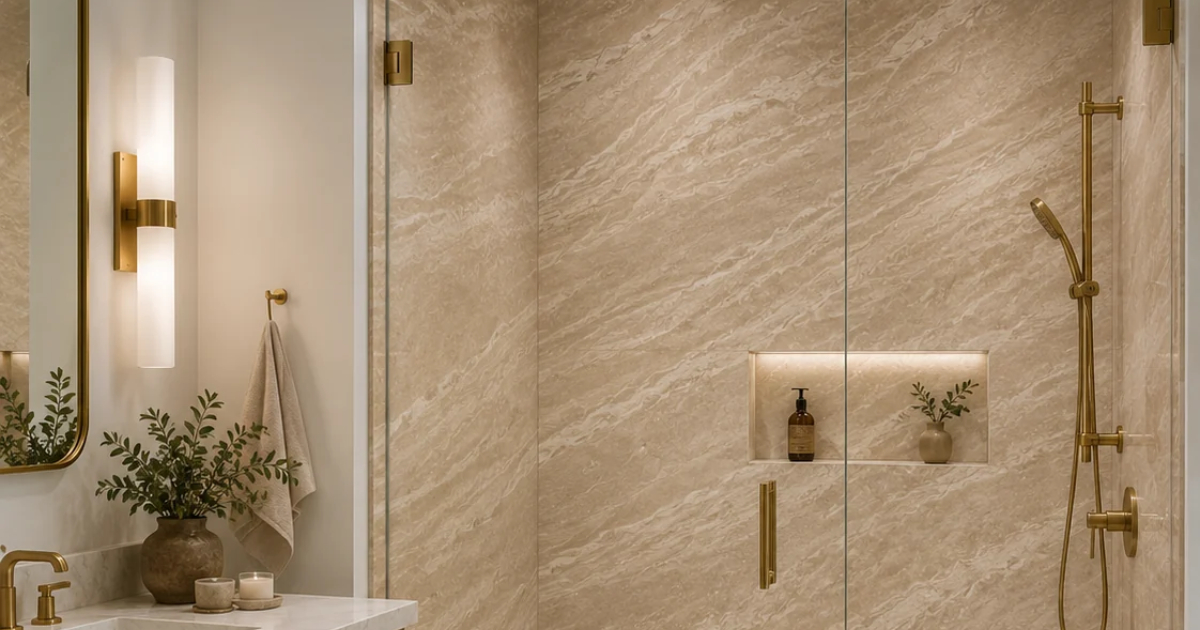
Whether you’re designing a spa-inspired bathroom, a warm and inviting fireplace, or a statement feature wall, travertine offers a level of warmth and authenticity that manufactured materials simply can’t replicate. Its subtle movement, natural texture, and earthy color palette create spaces that feel both luxurious and welcoming.
In this guide, we’ll explore how travertine is formed, why it has remained one of the world’s most sought-after natural stones, the best applications for today’s interiors, available color options, maintenance tips, and why interior designers continue to specify travertine for premium residential and commercial projects.
What Is Travertine?
Travertine is a natural limestone formed when calcium-rich mineral water flows from hot springs. As the water evaporates, dissolved calcium carbonate is deposited layer upon layer, gradually creating the stone’s signature texture and naturally occurring voids.
These small pits and linear bands are what make travertine instantly recognizable. Rather than imperfections, they are part of the stone’s natural character, giving every slab its own unique appearance.
Because travertine is created by nature over thousands of years, no two pieces are ever identical. This uniqueness is one of the primary reasons designers continue to specify it for custom homes and luxury interiors.
A Stone with Thousands of Years of History
Travertine isn’t simply another decorative surface—it’s one of the oldest building materials still widely used today.
Perhaps its most famous application is the Roman Colosseum, constructed nearly 2,000 years ago using massive quantities of travertine. Throughout Italy and much of Europe, countless churches, monuments, plazas, and government buildings continue to showcase the remarkable longevity of this natural stone.
Today, travertine is quarried throughout several regions of the world, including:
- Italy
- Turkey
- Mexico
- Iran
Each quarry produces material with its own distinctive color variations, banding patterns, and textures, giving designers an impressive range of options while maintaining travertine’s unmistakable character.
Why Interior Designers Choose Travertine
Design professionals often look beyond appearance alone. The ideal material should also contribute warmth, longevity, and versatility.
Travertine excels in all of these areas.
Natural Warmth
Unlike many contemporary stones that feature dramatic contrast, travertine delivers softer movement with earthy undertones that create inviting spaces. Its warm palette pairs beautifully with natural wood cabinetry, brushed brass fixtures, warm white paint colors, linen fabrics, and organic textures.
Timeless Appeal
Design trends come and go, but travertine has remained relevant for centuries. Whether incorporated into Mediterranean architecture, transitional homes, contemporary spaces, or modern European interiors, it consistently feels appropriate rather than trendy.
One-of-a-Kind Character
Every slab contains its own unique combination of mineral deposits, fossilized textures, veining, and natural banding. This ensures that each installation feels custom and exclusive.
Multiple Finish Options
Travertine is available in several finishes, allowing designers to customize the appearance for each project:
- Honed
- Filled & Honed
- Polished
- Brushed
- Tumbled
Each finish offers a distinct aesthetic ranging from sleek contemporary elegance to rustic Old World charm.
Best Interior Applications for Travertine
One reason travertine remains popular is its versatility. It works beautifully in numerous residential and commercial applications.
Bathroom Vanities
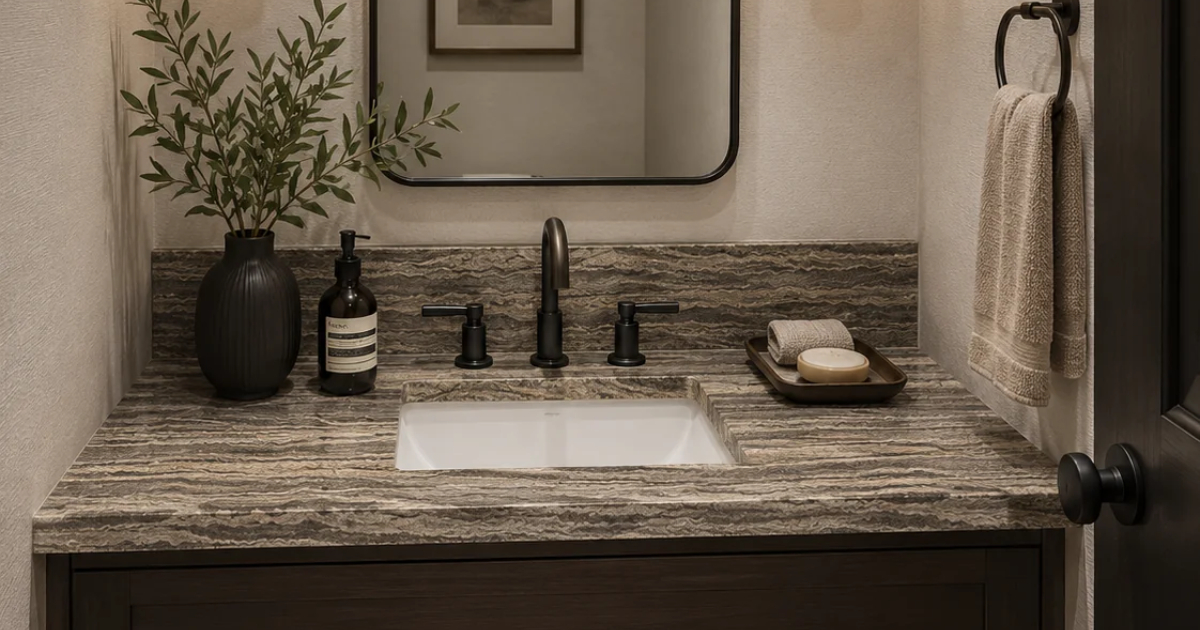
Filled and honed travertine has become especially popular for luxury bathroom vanities. The smooth matte finish softens the stone’s natural texture while maintaining its authentic appearance.
Designers appreciate how travertine pairs effortlessly with:
- White oak cabinetry
- Walnut vanities
- Matte black hardware
- Brushed brass faucets
- Floating mirrors
- Spa-inspired lighting
The result is a bathroom that feels relaxed, elegant, and timeless rather than overly polished.
Fireplace Surrounds
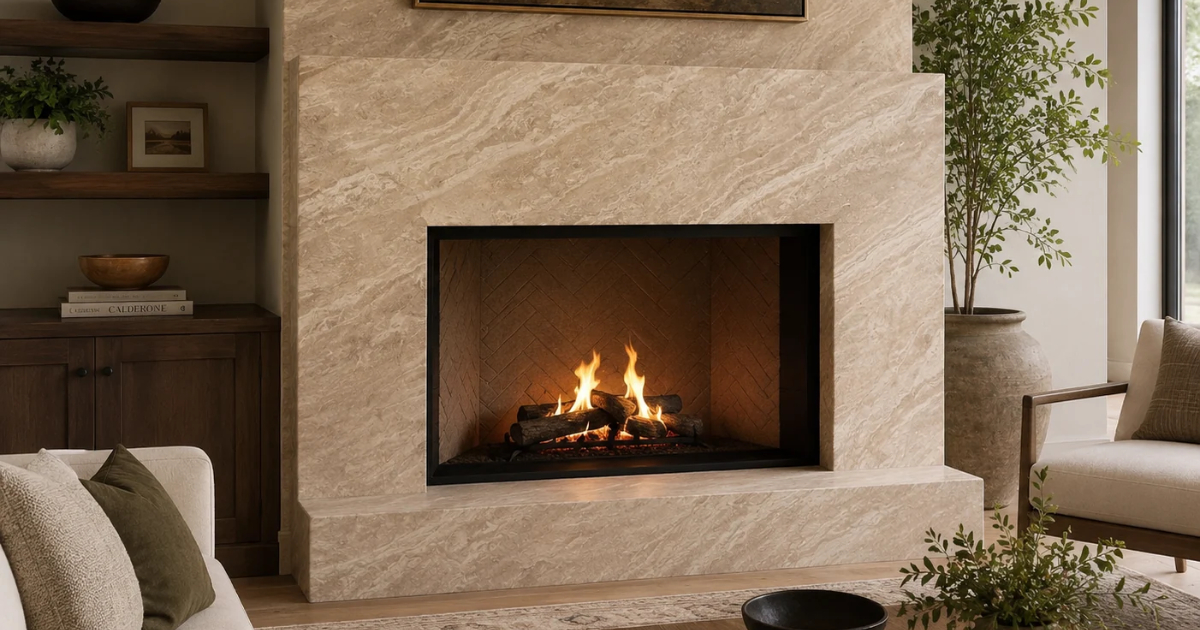
Travertine’s excellent heat resistance makes it an ideal material for fireplace surrounds and hearths.
Its layered movement creates visual interest without overwhelming the room, making it equally suitable for minimalist living spaces and traditional family rooms.
Whether installed floor-to-ceiling or as a more classic mantel surround, travertine brings warmth and architectural presence to the space.
Feature Walls and Accents
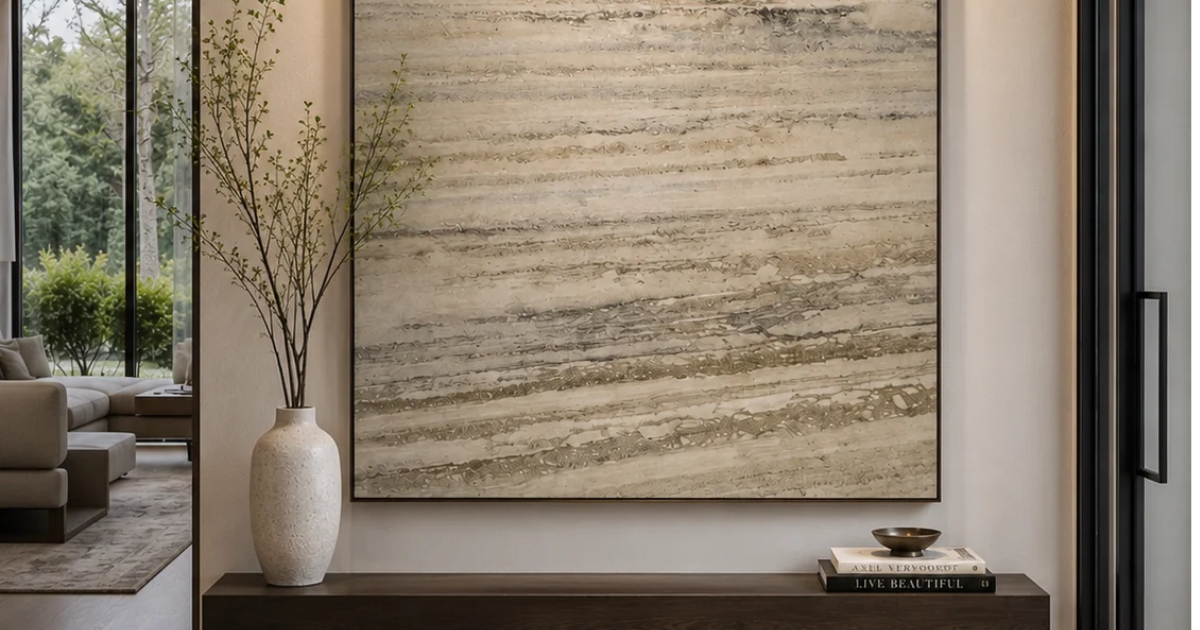
Few materials transform a room like full-height natural stone.
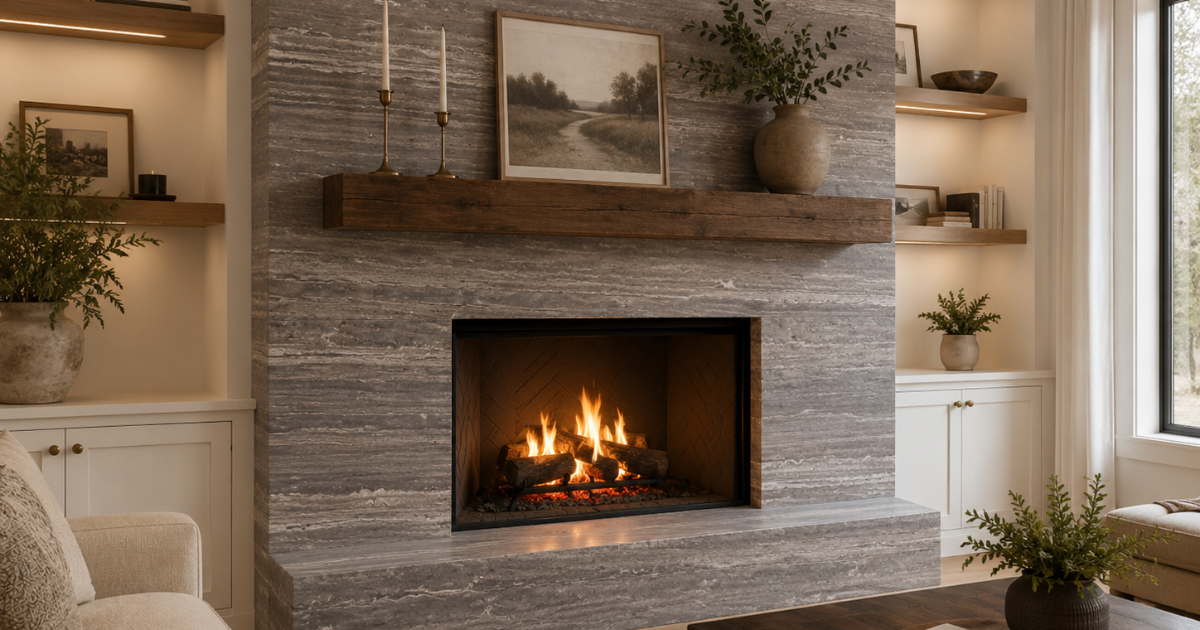
Travertine’s subtle horizontal movement and layered texture create dramatic feature walls while maintaining an understated elegance.
Popular applications include:
- Walk-in shower surrounds
- Accent walls
- Fireplace feature walls
- Entryways
- Living room focal walls
- Luxury hospitality spaces
Because each slab is unique, large-format installations become natural works of art within the home.
Understanding Travertine Colors
Travertine offers an impressive range of natural colors while maintaining a cohesive, earthy aesthetic.
Chocolate Noce
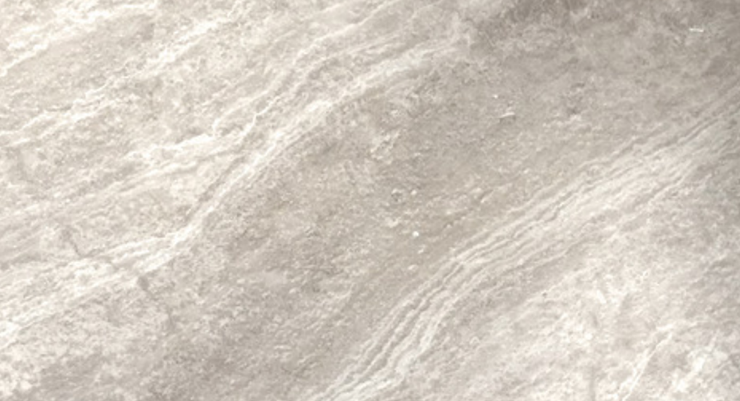
Chocolate Noce introduces rich walnut and chocolate brown tones with dramatic movement.
It works exceptionally well in:
- Rustic homes
- Traditional interiors
- Mountain retreats
- Wine rooms
- Luxury studies
Mocha Noir
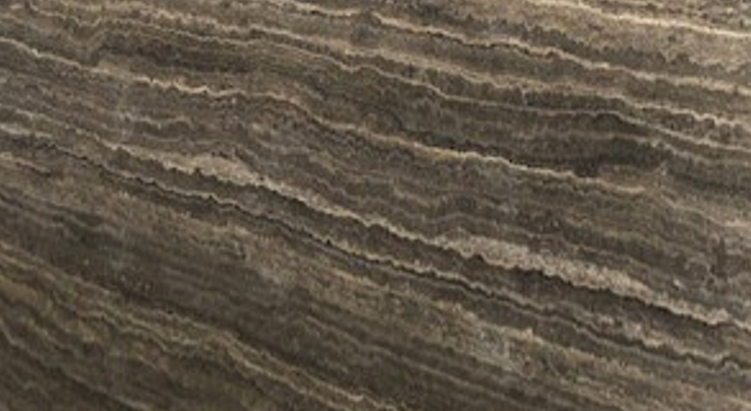
For designers seeking more contrast, Mocha Noir combines deeper browns with bold natural veining, creating an elegant yet organic appearance.
Silver Travertine
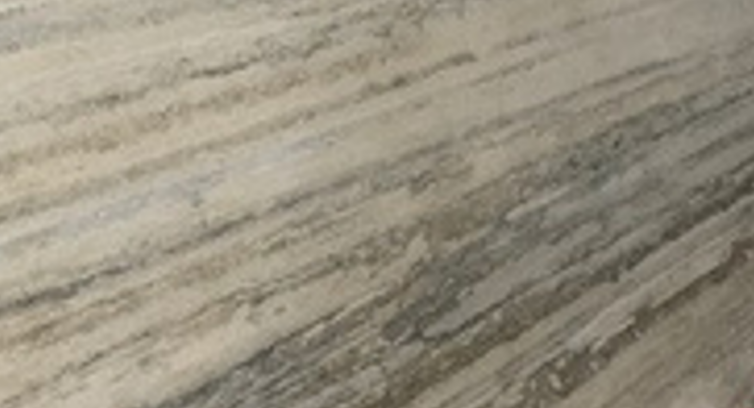
Silver Travertine offers a more contemporary interpretation of this classic stone.
Its blend of cool greys, creams, and silver undertones makes it especially attractive for modern interiors where softer neutral palettes are desired.
Caring for Travertine
One of the most common questions homeowners ask is whether travertine requires extensive maintenance.
Fortunately, proper care is straightforward.
Daily Cleaning
Routine maintenance simply involves:
- A soft microfiber cloth
- Warm water
- pH-neutral stone cleaner
- Mild dish soap when appropriate
Avoid abrasive scrub pads that may dull the finish.
Avoid Acidic Cleaners
Like many natural limestones and marbles, travertine reacts to acids.
Never use:
- Vinegar
- Lemon juice
- Bleach
- Ammonia
- Acidic bathroom cleaners
Instead, choose products specifically formulated for natural stone.
Clean Spills Quickly
Because travertine is naturally porous, spills should be blotted immediately rather than wiped.
This is especially important for:
- Coffee
- Wine
- Citrus juice
- Oils
Prompt cleanup helps minimize staining.
Seal the Surface
Applying a quality penetrating sealer approximately every 6–12 months helps protect against:
- Moisture absorption
- Staining
- Etching
- Everyday wear
Using cutting boards and trivets also helps preserve the surface over time.
Why Travertine Continues to Define Luxury Design
Natural materials have become increasingly important as homeowners seek authentic, timeless interiors.
Travertine delivers exactly that.
Its subtle texture adds warmth where engineered materials can sometimes feel sterile. Its long history creates a sense of permanence. And because every slab is naturally unique, each installation becomes an exclusive design feature.
From spa-inspired bathrooms and sophisticated fireplace surrounds to dramatic feature walls, travertine creates interiors that feel curated rather than manufactured.
For interior designers, this versatility makes travertine an exceptional specification for projects that prioritize longevity, craftsmanship, and understated luxury.
Final Thoughts
Travertine has remained one of the world’s most celebrated natural stones for thousands of years—and for good reason. Its warm tones, distinctive mineral texture, and enduring beauty make it an exceptional choice for luxury residential and commercial interiors alike.
Whether you’re designing a serene primary bathroom, an inviting living room centered around a fireplace, or a dramatic statement wall, travertine offers a timeless aesthetic that continues to inspire architects, designers, and homeowners around the world.
When thoughtfully selected, professionally fabricated, and properly maintained, a travertine installation can provide decades of beauty while adding lasting value and character to every project.